“Senior Living” is Dead
(And That’s a Good Thing)
Let's get started.
Written by

Read time
5 minutes
Category
Rewriting the language of aging.
Imagine walking into a room where everything screams 1985. The decor is outdated, the music is from a decade you don’t even remember, and the people are speaking in a language that feels like it was translated from a medical textbook.
That’s what it’s like when you call a senior living community a "facility."
You’ve just handed someone a one-way ticket to Nostalgia City, population: Your Brand.
But here’s the thing, today’s 65+ crowd isn’t looking to check into a time capsule. They’re looking to upgrade their life to the next level. And if your marketing language sounds like it was written by a hospital administrator, you’ve already lost them.
"Facility" and Other Dirty Words
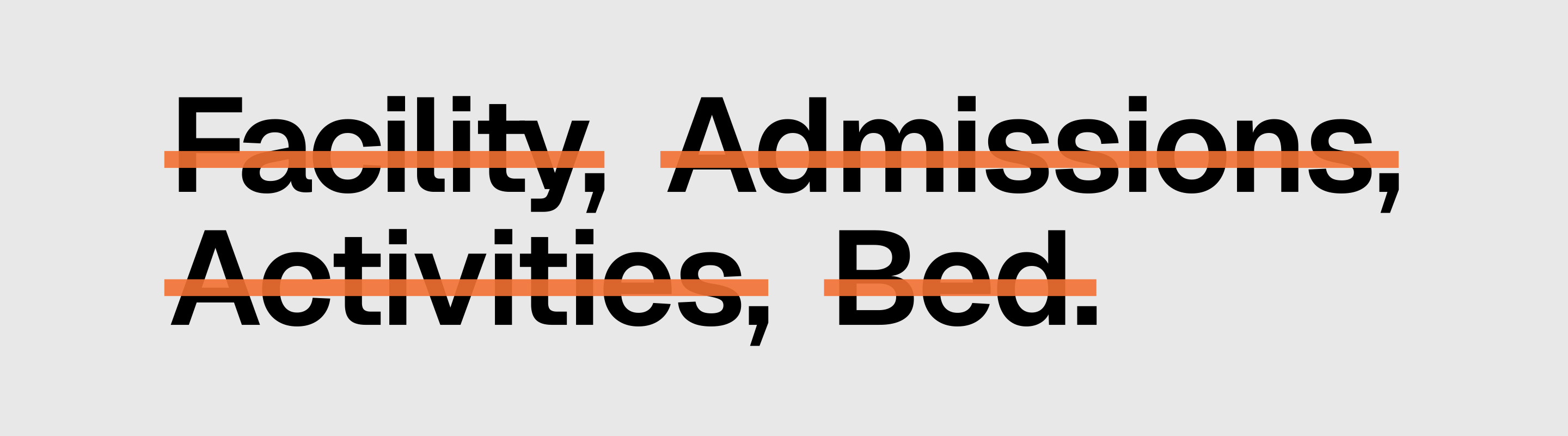
For decades, the senior living industry has been stuck in a linguistic time warp. Communities rely on words like "facility," "unit," "bed," and "aging in place" like they’re sacred texts.
But these words don’t signal safety to modern aging adults. They signal a loss of agency. They feel like an ending, not a beginning.
Think about it. If you’re calling your community a "facility," you’re basically telling people, "Welcome to the place where we process humans." Not exactly the vibe you want when you’re trying to sell a lifestyle, right?
And let’s talk about "aging in place." Sounds cozy, right? Like you’re settling in for a long winter’s nap. But today’s seniors aren’t looking to stay put, they’re looking for their next chapter. They want to explore, connect, and contribute. They want to thrive, not just survive.
Your Brain on Words
Words aren’t just words. They’re the architects of our reality. Your brain is hardwired for narrative. When you hear a word, your brain doesn’t just process it — it simulates the experience. It’s like your brain is running a mini-movie based on the word you just heard.
So when you use the word "facility," your brain doesn’t just think "building." It thinks "sterile," "restrictive," "clinical." It primes you to look for flaws before you’ve even walked through the door.
This isn’t some abstract theory, it’s neuroscience. Our brains are pattern-recognition machines, and language is one of the most powerful patterns we encounter. When we use outdated terms, we’re essentially autopiloting our prospects into old, negative stereotypes of aging.
Here’s some good news — we can hack this system. By disrupting our vocabulary, we create what scientists call a "pattern interrupt." We force the brain to stop its autopilot and consider something new. We give people a new story to live into.
It’s like hitting the reset button on someone’s mental playlist. Suddenly, they’re not just hearing "facility", they’re hearing "community." And that changes everything.
The Language Upgrade
So, how do we fix this? We start by burning the old playbook and writing a new one.
Take a look at these eight vocabulary shifts that will make your brand feel less like a hospital wing and more like a five-star resort for the next chapter of life.
"Community" instead of "Facility" A facility is where things are processed. A community is where people belong. Which one sounds more inviting?
"Welcome" instead of "Admissions" "Admissions" sounds like you’re entering a prison. "Welcome" sounds like you’re coming home. Big difference.
"Experiences" instead of "Activities" Activities are things you do to kill time. Experiences are things that change you. Which would you rather have
"Home" instead of "Unit" or "Bed" No one dreams of moving into a "unit." They want a home they can be proud of. Simple as that.
"Longevity by Design" instead of "Aging in Place" "Aging in place" sounds like you’re waiting for the end. "Longevity by design" sounds like you’re architecting the next big adventure.
"Member" or "Resident" instead of "Patient" Unless you’re performing surgery, focus on the person, not their diagnosis or level of care needed. You’re not a hospital — you’re a home.
"Modern Adult" instead of "Senior" Most people over 65 don’t feel like seniors. They feel like modern adults with serious experience who just happen to have a few more candles on their birthday cake.
"Relocate" instead of "Discharge" or “Transition” "Discharge" sounds like you’re being kicked out. "Transition" sounds like a predetermined journey someone else chose. If you are moving, you are simply relocating to a new home.
Numbers Are Boring
We know the data. Residents in Life Plan Communities report higher wellness scores than those living elsewhere. But here’s the thing, no one cares about the stats. What they care about are the stories behind them.
Don’t just tell them that 70% of your residents have higher social engagement. Tell them about the Wednesday night wine club that started a local scholarship fund. That’s the kind of story that sticks.
Because at the end of the day, people don’t buy into data, they buy into emotions. And emotions are what drive decisions.
If Not Us, Then Who?
The burden of reinventing this story lies with us. We can’t expect the public to view aging with dignity if we keep using the language of decline in boardrooms, marketing, and on our websites. We can’t keep calling people "patients" and expect them to feel like vibrant, contributing members of society, let alone move in with us.
When we champion a new vocabulary, we’re doing more than updating a brand. We’re acting as guardians of our clients’ futures. We’re deciding that "Senior Living" as we know it, is dead — and that’s a good thing. Let’s do something different.
Change starts with how we speak to each other before it ever reaches a prospect’s screen. If we want to drive meaningful change, we must be the first to speak it into existence. So let’s be fearless. If a word feels like it belongs in a hospital wing, cut it. If it sounds like it was written by someone who’s never laughed at a bad joke or danced at a wedding, scrap it.
We get to decide what the next chapter of aging looks like. And it starts with the words we choose now.
Words Build Worlds
When you change the way you talk about aging, you change the way people feel about your community. If you’re ready to rewrite the narrative, let’s get to work. Our Brand Sprint Workshop is designed to help leadership teams align on a voice that resonates with the modern prospect. Let’s redefine your narrative before your next tour.
More
insights
©2026 300FeetOut All Rights Reserved | Open Positions | Privacy Policy